As an Amazon Associate, we earn from qualifying purchases. Some links may be affiliate links at no extra cost to you. Although our opinions are based on curated research, we haven't used these products. Articles generated with AI.

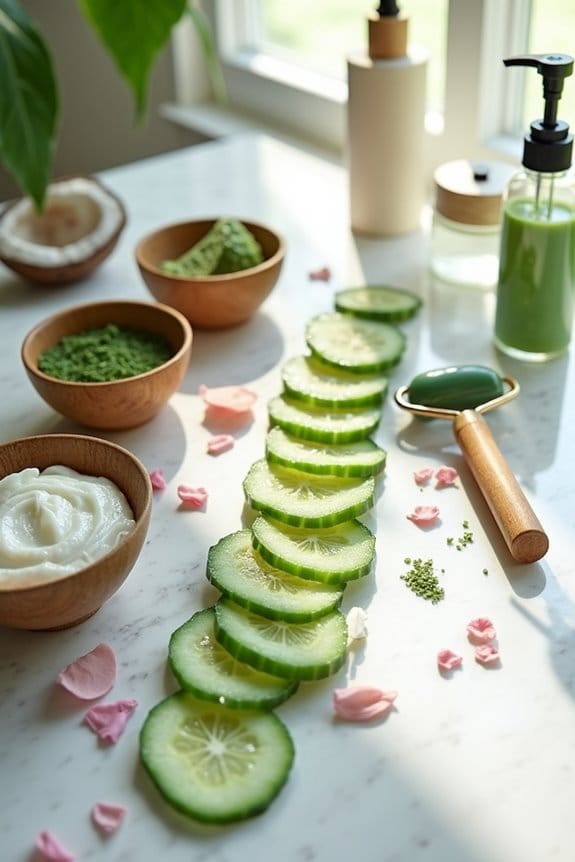
5 Essential Steps to Start Vegan Beauty

Start your vegan beauty journey by learning trusted certification labels like Vegan Society and Leaping Bunny. Next, familiarize yourself with common animal-derived ingredients to avoid, such as beeswax and lanolin. Build a basic skincare routine with gentle, cruelty-free cleansers, toners, and moisturizers. Then shift your makeup collection gradually, focusing on verified vegan brands like e.l.f and KVD Beauty. Finally, organize your new ethical products properly to maintain their effectiveness. Let’s explore each step in detail to perfect your transformation.
Key Takeaways
- Check for trusted vegan certifications like Vegan Society and Leaping Bunny logos when purchasing beauty products.
- Replace current products with vegan alternatives one at a time, starting with daily essentials like cleanser and moisturizer.
- Learn to identify common animal-derived ingredients such as beeswax, lanolin, and carmine in product labels.
- Create a basic vegan skincare routine with gentle cleanser, alcohol-free toner, and plant-based moisturizer.
- Research and support established vegan beauty brands known for ethical practices and effective products.
Understanding Vegan Beauty Labels and Certifications
You may be interested
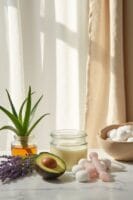
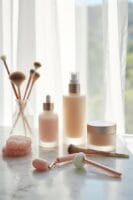
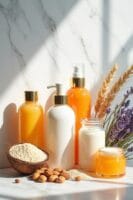
When you’re first diving into vegan beauty, understanding product labels and certifications is absolutely vital for making informed choices. Look for trusted symbols like the Vegan Society and Leaping Bunny logos, which guarantee your products are free from animal testing and non-vegan ingredients.
You’ll want to familiarize yourself with common animal-derived ingredients that might be hiding in your beauty products. For instance, many traditional cosmetics contain beeswax or lanolin, but there are plenty of plant-based alternatives available. When shopping, focus on cruelty-free beauty brands that are vegan certified – this guarantees they follow ethical practices throughout their production process. These certifications aren’t just fancy logos; they’re your assurance that brands maintain sustainable practices and truly care about consumer confidence. It’s your roadmap to making conscious beauty choices! Additionally, be sure to check for brands that prioritize ethical practices in their manufacturing process to ensure you are supporting responsible companies.
Recommended Products

Ultimate Collection: Over $998 Value — This lavish set brings you the complete Flower Knows Bunny Garden collection, featuring every product(not include perfume).Each piece is a beloved favorite,offering the full experience of this iconic line in one luxurious box

PROFESSIONAL PIGMENT DELUXE SET - Includes all 10 Madluvv Professional Pigment Colors + Shading Solution, each in a 10 ml airless pump bottle. (Ash 109, Camel 109.5, Blonde 110, Soft Brown 111, Chocolate 111.5, Medium Brown 112, Brunette 113, Darkest Brown 114, Charcoal 114.5, Jet Black 115, and Shading Solution)
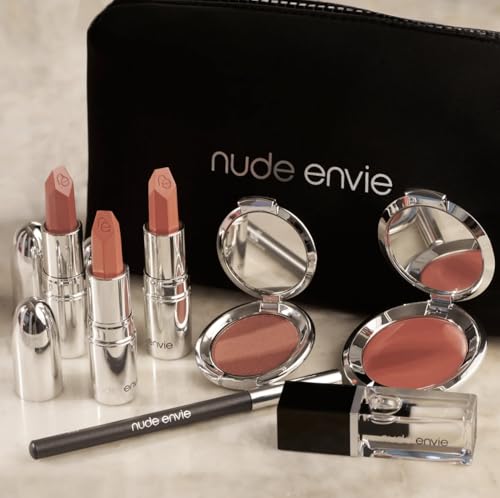
Lip Liner Classy - A warm rose, ideal for enhancing lip shape and adding definition. Our sharpenable lip liners glide on smoothly for a precise outline while preventing feathering.
Identifying Animal-Free Ingredients in Products
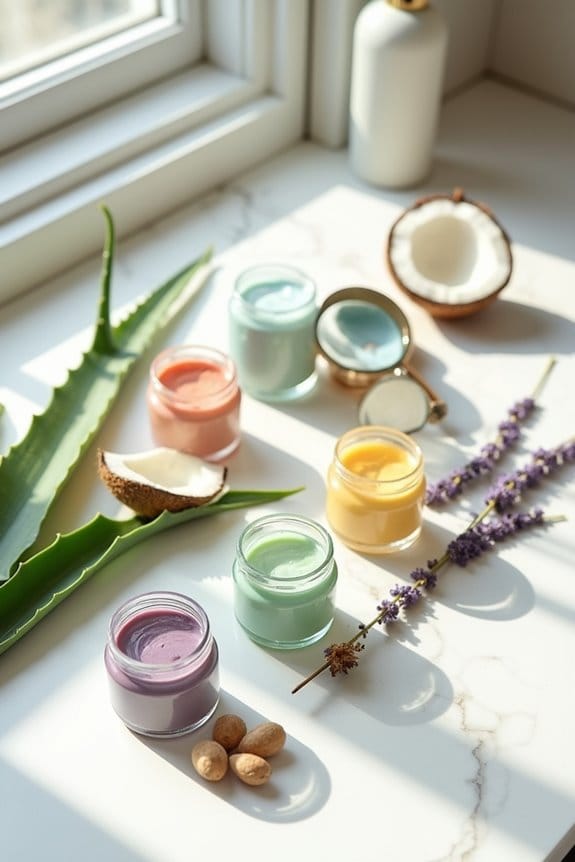
Reading ingredient labels doesn’t have to feel like decoding a secret language. When you’re switching to vegan skincare, knowing what to look for in ingredient lists makes all the difference. Just like following a vegan diet, it’s about identifying and avoiding animal products in your beauty products.
Start by watching out for common non-vegan ingredients like beeswax, lanolin, and carmine. Instead, look for plant-based alternatives and natural ingredients like essential oils and candelilla wax. You’ll find that many cruelty-free brands now offer fantastic options that work just as well – if not better – than their traditional counterparts. Don’t be fooled by marketing buzzwords; “natural” doesn’t always mean vegan. When in doubt, check for trusted certifications like the Vegan Society logo, which guarantees your products are truly animal-free.
Recommended Products
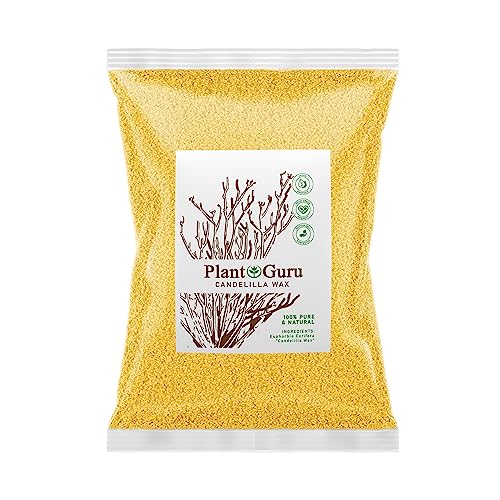
✅ CHIHUAHUAN DESERT - Our candelilla wax is a plant-based wax that is grown and harvested in Mexico. The candelilla plant, also known as Euphorbia Cerifera, is native to the semi-arid regions of northern Mexico, where it thrives in the hot and dry climate. The plant is harvested during the dry season when the leaves are rich in wax.

Replenish Radiance: Daily moisturizing multi-use balm helps renew lost hydration while soothing dryness and helping support the skin barrier; for all skin types, including dry skin.
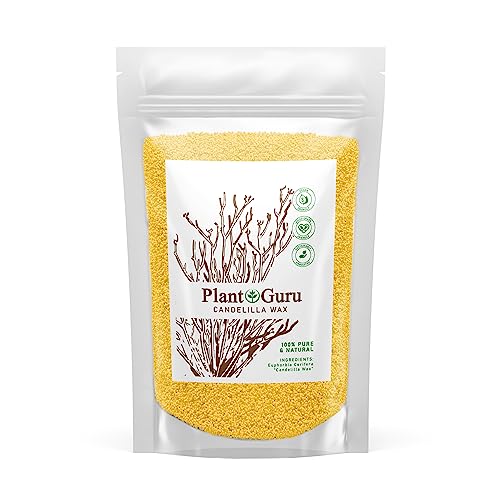
✅ CHIHUAHUAN DESERT - Our candelilla wax is a plant-based wax that is grown and harvested in Mexico. The candelilla plant, also known as Euphorbia Cerifera, is native to the semi-arid regions of northern Mexico, where it thrives in the hot and dry climate. The plant is harvested during the dry season when the leaves are rich in wax.
Building Your Basic Vegan Skincare Arsenal
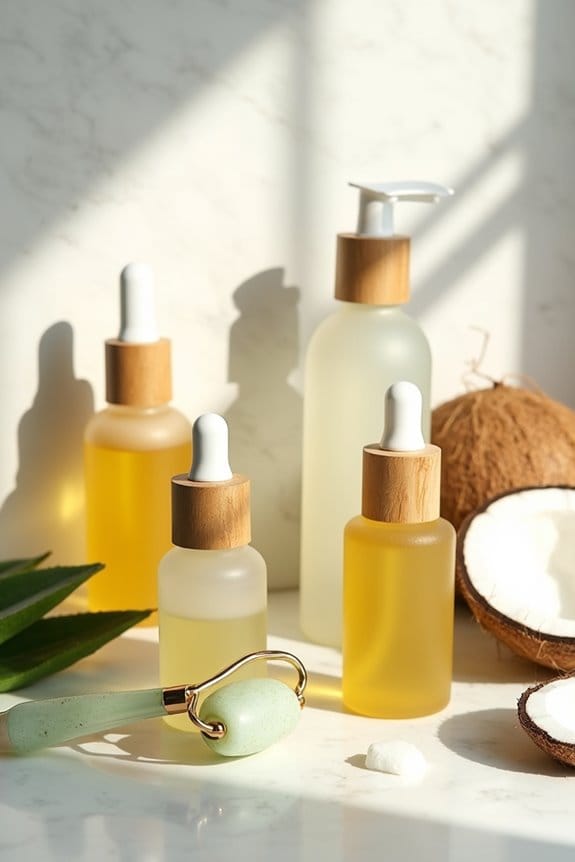
Three key products form the foundation of any effective vegan skincare routine. Your journey starts with a gentle cleanser that’s free from animal ingredients, followed by a balancing toner, and finished with a nourishing moisturizer. These cruelty-free essentials create the perfect base for healthy skin.
Want to level up your routine? Add a targeted serum between your toner and moisturizer. If you’re dealing with oily skin, try the Clear Skin Willow Bark Booster-Serum, or opt for the Cornflower Recovery Serum if sensitivity is your concern. When selecting products, always match them to your skin type – like choosing the Mangosteen Daily Resurfacing Cleanser for normal skin or the Acne Advanced Cleansing Foam if you’re battling breakouts. Remember, the best vegan skincare routine is one that’s tailored to your specific needs.
Recommended Products
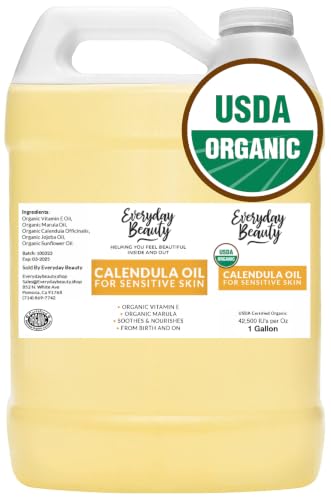
100% All Natural & USDA Certified Organic Calendula Oil For Sensitive Skin. This is a carrier oil, not essential oil of calendula.

【MOISTURIZING OIL CLEANSER】Completely removes makeup, dirt, oil, and impurities; this gentle but effective 2 in 1 formula transforms from an oil to a foam, leaving your skin perfectly cleansed and prepared for the next steps.

INTENSIVE SKIN RECOVERY & FIRMING POWER. Curated for deep-firming power, a facial-fresh complexion, and long-wear moisture, our CE15 Bakuchiol Firming Oil is a highly potent formula designed to be extremely effective. This formula delivers key actives in a base of 11 nutrient-rich oils.
Transitioning to Vegan Makeup Essentials
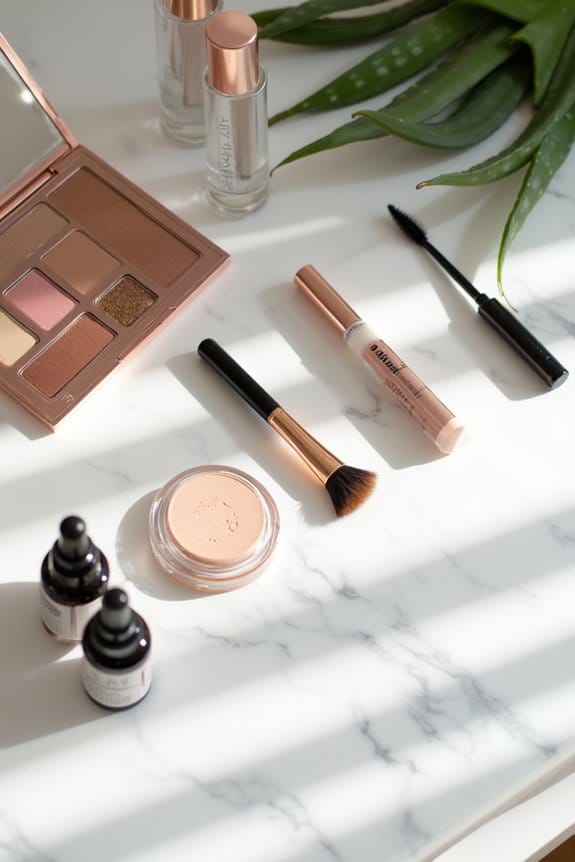
While maintaining a vegan skincare routine forms your foundation, altering to vegan makeup completes your cruelty-free beauty journey. Start by exploring trusted brands like e.l.f and KVD Beauty that offer high-quality products without animal byproducts. Your wallet will thank you – many vegan options are surprisingly affordable!
When changing your beauty routine, take it one product at a time. This methodical approach lets you monitor how your skin type responds to new natural ingredients. Always look for the Vegan Society or Leaping Bunny certifications to guarantee your choices are truly cruelty-free and environmentally friendly. Online resources like Cruelty Free Kitty can help you discover exciting ethical beauty choices. Remember, making the switch doesn’t mean compromising on quality – today’s vegan makeup options perform just as well as conventional products, if not better. Incorporating products with 70% organic formulation can enhance your beauty routine while prioritizing skin health.
Recommended Products

Professional Microblading Ink - This set of 8 includes Toasted Almond, Chestnut, Foxy Brown, Java, Coffee, Mahogany, Black Umber, and True Copper. With hues ranging from light to dark and cool to warm, find the perfect color compliments for clients of any Fitz skin type.

Carla Ricciardone Embody Tattoo Kit - These eight permanent makeup pigments are specifically crafted for cool & dark toned lips, seamlessly blending with the natural tissue for even more seamless neutralization.

ORGANIC-BASED, HYBRID PIGMENT SET: I ❤️ INK Brow Collection with Bolder Brown. All brows love the I ❤️ INK Brow Pigment Collection. Find a match for every client with our extensive light-to-dark pigment set — color selection has never been so simple. In the kit: 0.5 oz bottles of Ash Brown, Grey, Blonde, Medium Brown, Dark Brown, Bolder Brown, Ebony, and Shading Solution + easy-to-use color chart
Maintaining an Ethical Beauty Storage System
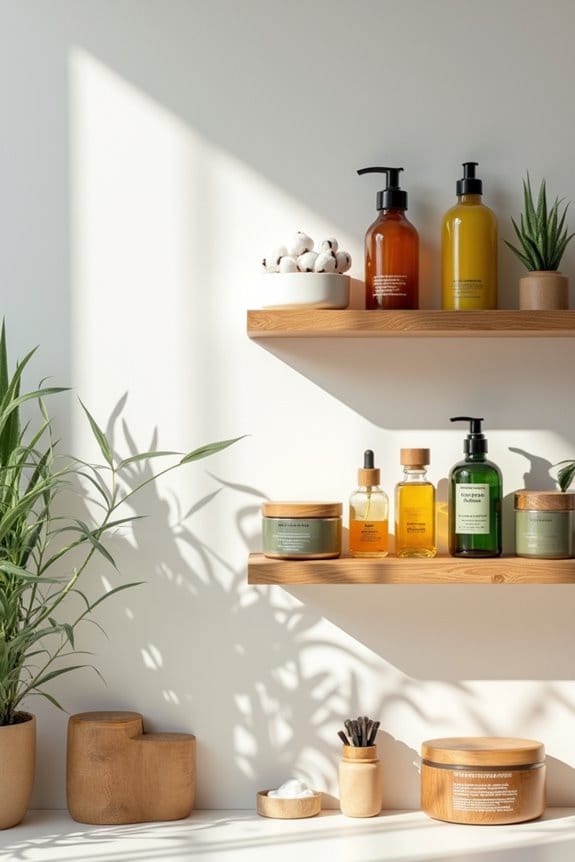
Now that you’ve built your vegan makeup collection, let’s talk about keeping it beautifully organized and ethically stored. Your natural ingredients deserve the best care to stay effective longer.
Start by sorting your beauty products into clear categories – skincare, makeup, and hair care essentials. This makes it easier to spot what you need and maintain your cruelty-free routine. Store your vegan products in a cool, dry space away from sunlight, which can break down natural ingredients faster than conventional ones. Get creative with eco-friendly storage solutions – those empty glass jars make perfect organizers!
Don’t forget to label everything with purchase dates and expected shelf life. When you’re dealing with natural products, staying on top of expiration dates isn’t just about organization – it’s about keeping your skin safe and your routine effective. Additionally, ensure that your storage practices align with shelf life guidelines to maximize the potency of your products.
Recommended Products

#1 Selling Coconut Oil in the US for over 10 years

FOOD GRADE EXTRA VIRGIN COCONUT OIL : Pure food grade extra virgin coconut oil made from fresh coconuts. Unrefined, cold pressed, and USDA Organic for customers looking for quality organic coconut oil in a large gallon size.

EXPANSIVE STORAGE FOR LONG DAYS: Ideal for extended shifts or busy days, this lunch bag for women for work offers generous space to fit multiple lunch boxes, a water bottle, and more. With two interior pockets and an exterior pocket, it keeps all your essentials neatly organized and within easy reach.
Frequently Asked Questions
What Are the First Steps to Becoming Vegan?
Start with your personal motivation, then gradually switch to a plant-based diet. Research vegan nutrition, find vegan substitutions, explore cooking methods, shop at vegan groceries, make ethical choices, and seek community support for guidance.
What Makes a Beauty Product Vegan?
A beauty product’s vegan status depends on plant-based formulations and zero animal ingredients. You’ll want to look for certification labels, ethical sourcing, and ingredient transparency to guarantee it’s truly free from animal-derived components.
Is Vegan Skincare Better for Your Skin?
You’ll often find vegan skincare offers better skin benefits through natural ingredients and fewer allergens. While product effectiveness varies by brand, they’re typically gentler on your skin while making ethical, environmentally conscious choices.
Is Vegan Actually Cruelty-Free?
No, vegan doesn’t automatically mean cruelty-free. You’ll need to check for both vegan certifications and cruelty-free labels, as some vegan products may still involve animal testing despite having plant-based ingredients.