As an Amazon Associate, we earn from qualifying purchases. Some links may be affiliate links at no extra cost to you. Although our opinions are based on curated research, we haven't used these products. Articles generated with AI.


3 Essential Makeup Color Wheel Rules To Know

Three essential makeup color wheel rules will transform your beauty game: understand primary colors (red, yellow, blue) as your foundation, use complementary colors (opposites on the wheel) for effective color correction, and work with analogous colors (neighbors on the wheel) to create seamless blends. You'll neutralize redness with green concealer, brighten dark circles with peach tones, and achieve perfect gradients in your eye looks. There's a whole spectrum of color theory techniques waiting to elevate your makeup skills.
Key Takeaways
- Complementary colors (opposite on the color wheel) neutralize unwanted tones, like using green corrector to cancel out redness.
- Primary colors (red, yellow, blue) cannot be mixed from other colors and form the foundation for all makeup combinations.
- Analogous colors placed next to each other on the color wheel create harmonious, naturally blended makeup looks.
- Mixing equal amounts of complementary colors should be avoided as it creates muddy grey tones.
- Build color intensity gradually and in thin layers for the most natural-looking makeup application.
Understanding Primary and Secondary Colors on Your Makeup Wheel
You may be interested


Color mastery sits at the heart of stunning makeup application, and it all begins with understanding your makeup color wheel. When you're working with primary colors – red, yellow, and blue – you're tapping into the foundation of all makeup artistry. These pure hues can't be created by mixing other colors, making them your essential starting point.
Your creative makeup looks expand when you mix equal parts of these primary colors to create secondary colors. Want a vibrant orange? Mix red and yellow. Craving a perfect purple? Blend red and blue. For even more options, try creating tertiary colors by mixing a primary with its neighboring secondary color. Understanding these relationships helps you choose complementary colors that'll enhance your features like a pro. Professional makeup artists rely on color theory daily – and now you can too!
Recommended Products

PROFESSIONAL STARTER BUNDLE: Features 12 essential 32g regular colors, two large 90g base cakes (Strong White & Black), and a specialized Rainbow One-Stroke split cake. The ideal mid-tier choice for schools, beginners, and mobile artists.

ESSENTIAL PROFESSIONAL PALETTE: Features 12 full-sized 32g cakes including White, Black, Red, Orange, Brown, Pink, Med Green, Light Green, Light Blue, Purple, Royal Blue, and Yellow. A global favourite, trusted for 15+ years.

PROFESSIONAL: Mehron's Paradise Makeup AQ is the pro’s choice for water-activated face & body paint. Paradise is known around the world for its intense color payoff and its vast variety of shades. Perfect for professional body painters, Halloween, cosplay, Special FX makeup, theatre, and more.
Complementary Colors for Perfect Color Correction

While you might think color correction is complex, mastering complementary colors will revolutionize your makeup game. By understanding how opposite shades on the color wheel work together, you'll achieve that flawless look you've been dreaming of.
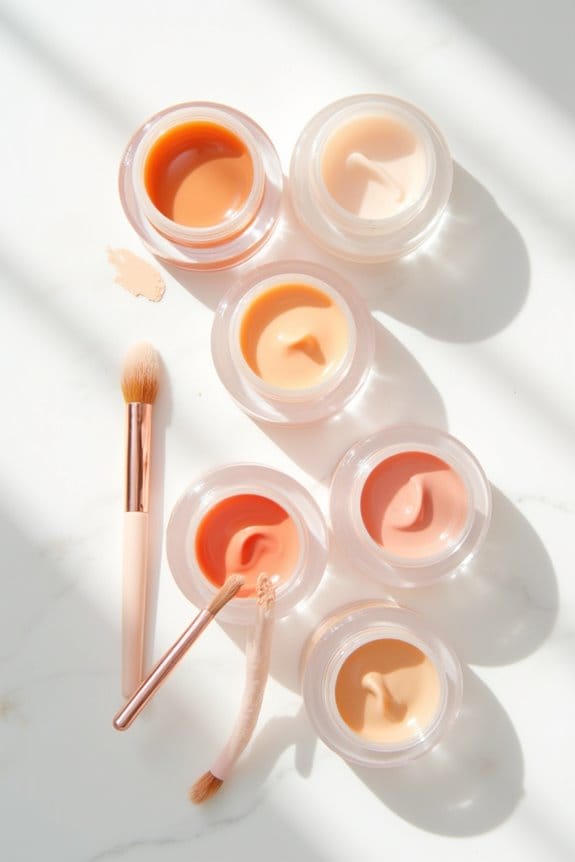
When it comes to color correction, think of it as paint-by-numbers for your face. Got redness? Reach for a green corrector. Dealing with dark circles? Peach correctors are your best friend, especially if you have medium to deep skin tones. Just remember to apply these products in thin layers – you're aiming for correction, not cake! Be careful when mixing equal amounts of complementary colors, as this can create a muddy grey tone instead of the vibrant complexion you're after. The key is working with your skin undertones and building gradually for natural-looking results. Additionally, incorporating non-comedogenic makeup can help ensure that your skin remains clear and healthy while you correct imperfections.
Recommended Products

Our Deluvia Awakening HydraSkin Kit includes our Awakening Eye Gel, Hydraskin Facial Serum and Turbo Night Creme. We use ingredients like Organic Aloe Vera, Pure Vitamin C, Essential Oils and Rosehip Oil to moisturize while Botanical Hyaluronic Acid and AHA can work deep into the skin. Made in the USA and cruelty free.

Proven to repair your skin barrier day after day, leading to stronger, less sensitive skin
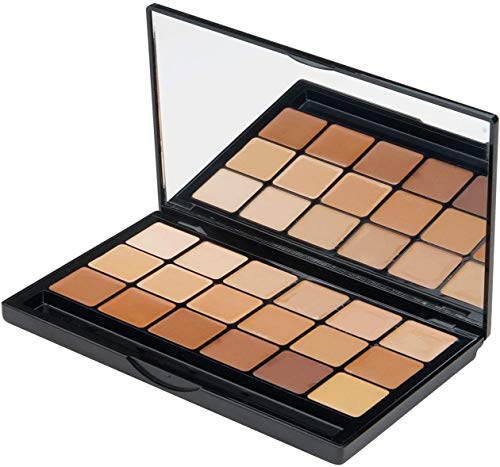
PROFESSIONAL MAKEUP: The Glamour Crème Ultra HD Foundation Super Palettes are designed for professional makeup artists and everyday makeup enthusiasts alike. These easy-to-use palettes come in 18 shades that can be blended together to create custom color matches. The wide range of colors allows for contouring, brightening, and other techniques, making them a versatile choice for any makeup application.
Analogous Colors for Seamless Makeup Blending

Creating a stunning makeup look doesn't always require bold contrasts – sometimes the secret lies in choosing colors that naturally flow together. When you're working with analogous colors, those that sit right next to each other on the color wheel, you'll achieve a harmonious and naturally blended finish that enhances your features without looking overdone.
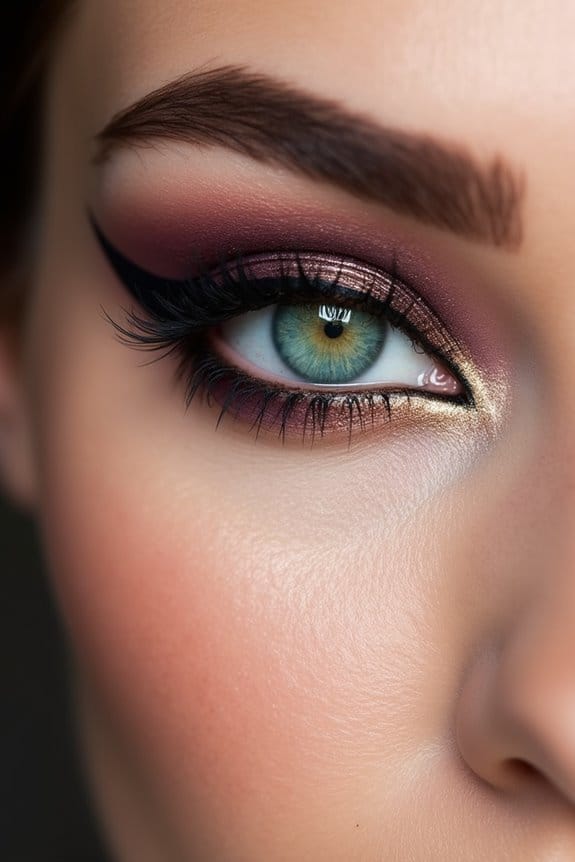
To create seamless shifts across your eyelids, start with the lightest shade and gradually cross into darker tones. You'll find this technique particularly useful for creating soft, monochromatic looks that celebrate your natural beauty. Want to make your brown eyes pop? Try blending different shades of green and blue together. The key to mastering analogous color makeup is patience and layering – build up the intensity slowly, and you'll achieve that perfect, professional-looking gradient every time.
Recommended Products

Moonlight Collection: This ethereal eyeshadow palette features a carefully curated selection of luminous shades inspired by the soft glow of moonlight, designed to create stunning eye looks that range from subtle daytime elegance to dramatic evening glamour

DAY TO NIGHT LOOK. A collection of compact eyeshadow palettes, each featuring 5 versatile shades to create day-to-night looks in one swipe.

20 EVERDAY EYESHADOW SHADES, this palette includes every neutral shade you will even need
Frequently Asked Questions
What Is the Color Wheel Theory in Makeup?
Like a painter's compass, the color wheel guides you through color harmony by revealing complementary colors, undertones, and blending techniques. It helps you understand warm and cool tones for creating balanced, eye-catching makeup looks.
How to Know What Makeup Colors to Use?
First identify your undertone by checking your veins, then select complementary shades that match your skin tone. Consider seasonal color palettes and intensity levels, while layering makeup colors that enhance your natural features and desired mood.
Which Are the 3 Main Components While Choosing Colors in Makeup?
When choosing makeup colors, you'll need to focus on three main components: hue (the actual color), value (lightness or darkness), and intensity (color purity). These help you create perfectly matched looks for your skin tone.
How to Use Color Wheel for Makeup Correction?
Like an artist's palette, you'll use color theory basics by applying complementary colors from the color wheel. Select concealers opposite to skin concerns – green for redness, peach for dark circles, yellow for purple spots.